A history that has lasted more than 500 years
The story of a Podlasie settlement woven into the history of the Błudów Wilderness
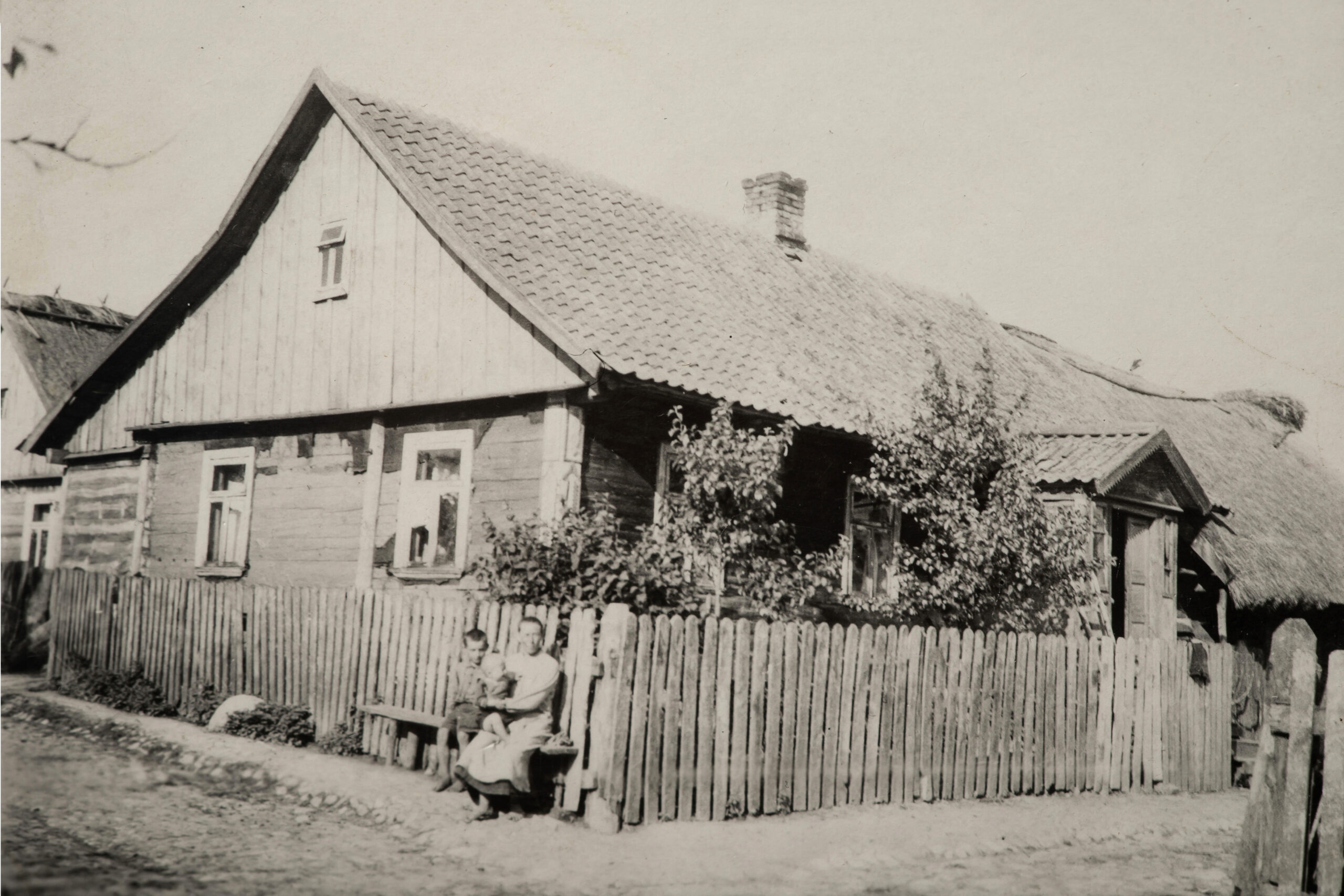
The village of Żuki was born at the start of the 16th century through the spontaneous clearing and colonisation of the wild Błudów Wilderness, also known as the Chodkiewicz Forest. The stewards then managing the royal castles in Bielsk and Suraż allowed newcomers to clear the forest and found the first settlements there. The pioneer of this land was a settler named Żukow, who together with his brothers cleared a glade at the very source of the Turośnianka river. This is where the area’s first, geographical name came from: Werch Turosnoie.
Here are the most important dates in the settlement’s history:
16 March 1512: King Sigismund I the Old issued an official decree confirming the rights of the magnate Aleksander Chodkiewicz to the recovered settlement of “Żuka with his brothers” as one of the services subject to the new lord.
3 April 1525: The Vilnius voivode Olbracht Gasztołd carried out a formal demarcation of the estate, in which the settlement was for the first time given its modern name “Żuki” (ludi Żuki) and its belonging to the Zabłudów estate was formally sealed.
1622: The great inventory of the Zabłudów estate records Żuki as an established village of prestigious landed (boyar) status, forming part of the cordon surrounding and protecting the town of Zabłudów.
What did the former inhabitants of Żuki do?
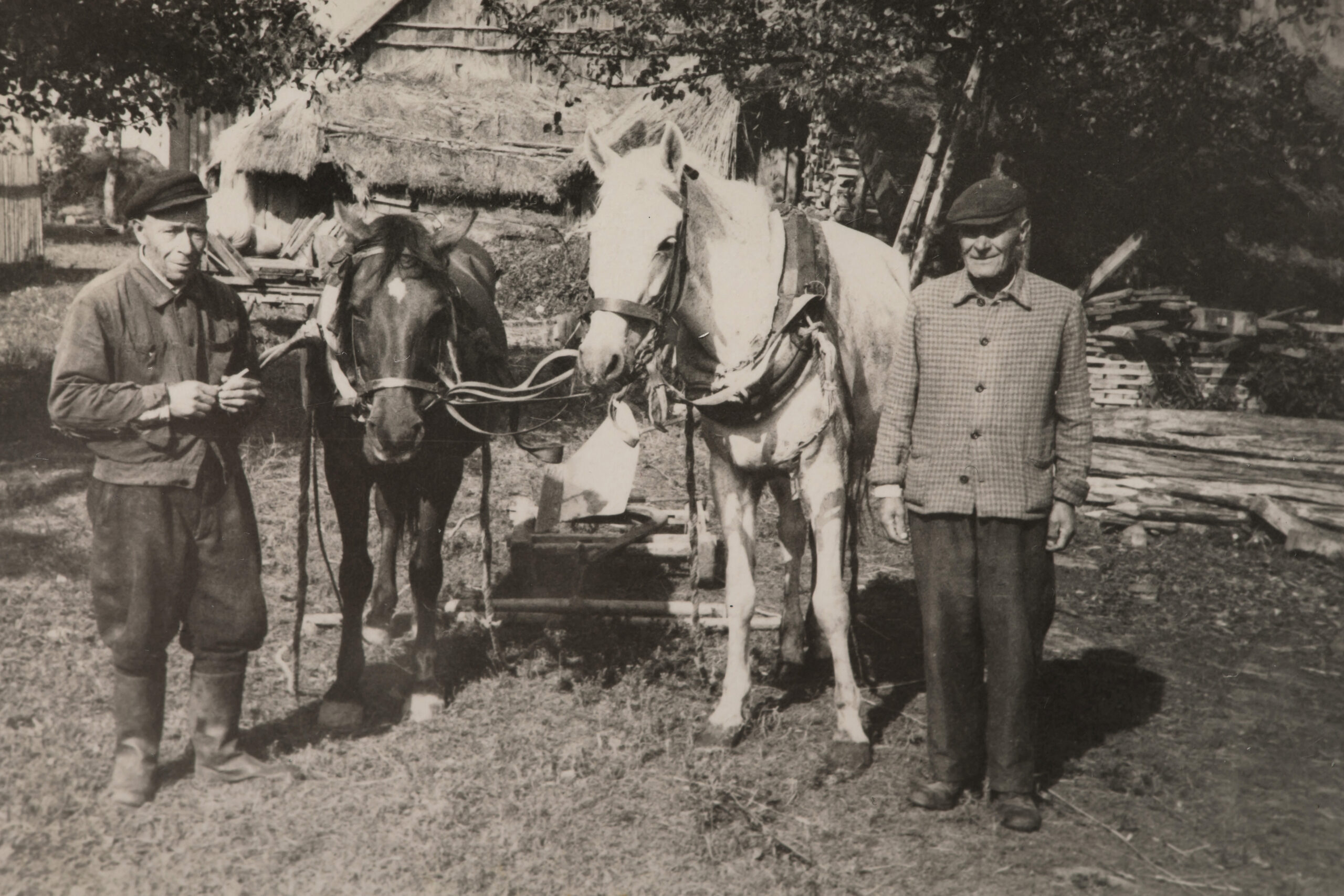
Life in old Żuki pulsed to the rhythm of nature, and the settlers here combined hard work on the land with the special privileges of free boyars.
The main occupations of the historic inhabitants:
Wresting land from the forest and farming: Painstakingly cleared stretches of forest were steadily turned into arable land (ziemie paszne), where they sowed grain and planted gardens.
Beekeeping and forest rights: The inhabitants held the traditional right to use the forest’s bounty – they practised tree beekeeping (gathering honey from trees) and mowed wild meadows to gather hay for their livestock.
Boyar military service: As boyars (landed gentry), in return for personal freedom and land they were obliged to perform military service. When a general levy was declared, they had to answer the lord’s call under arms, with horses and equipment, to defend the borderland against the enemy.
Settling in rents and tributes: The people of Żuki did not perform the classic, forced serf labour on a manor farm. They settled with the manor through fixed cash payments (rents) and annual tributes in kind – such as grain (diakło), honey or hides.
Generations born of a love for the Podlasie land
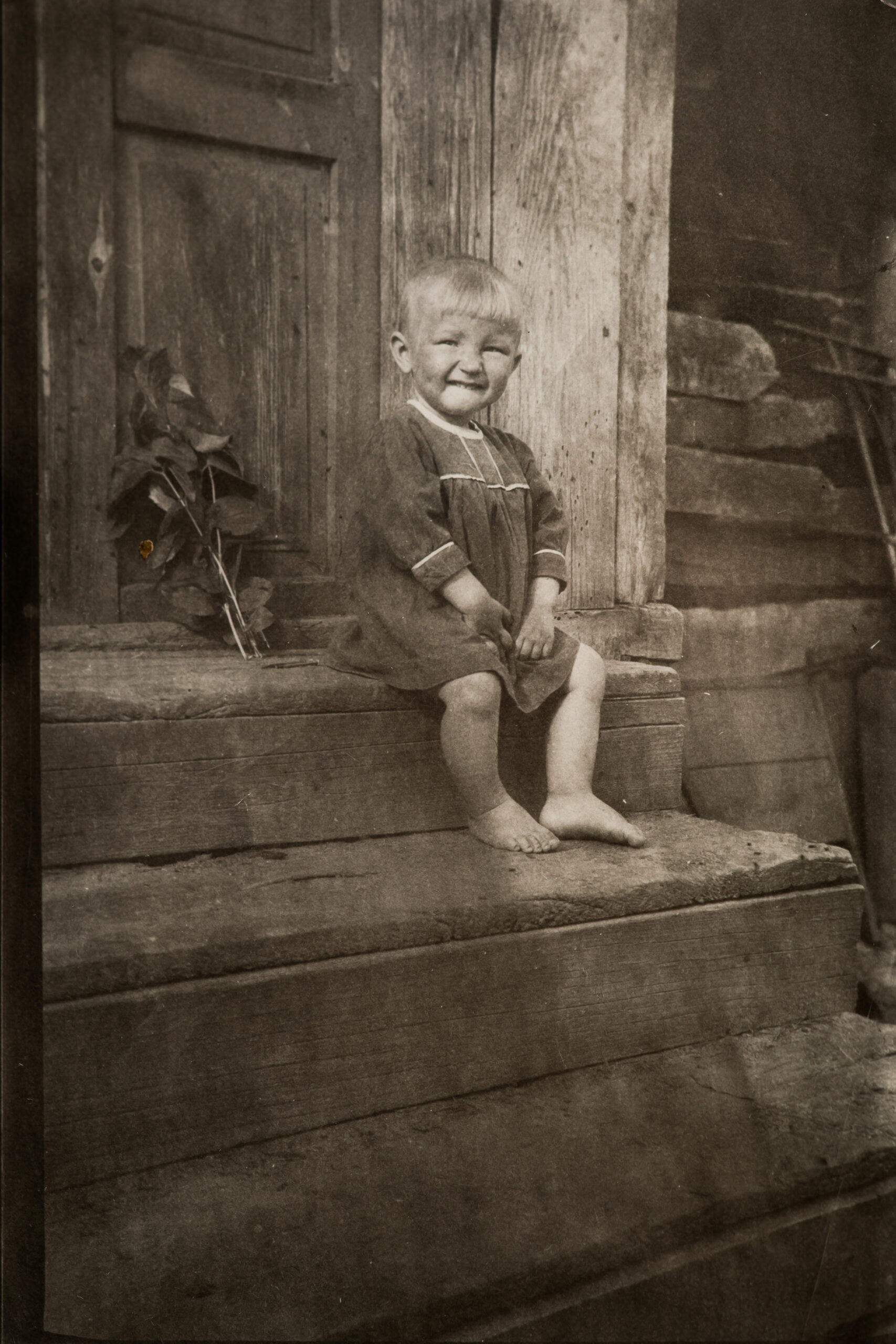
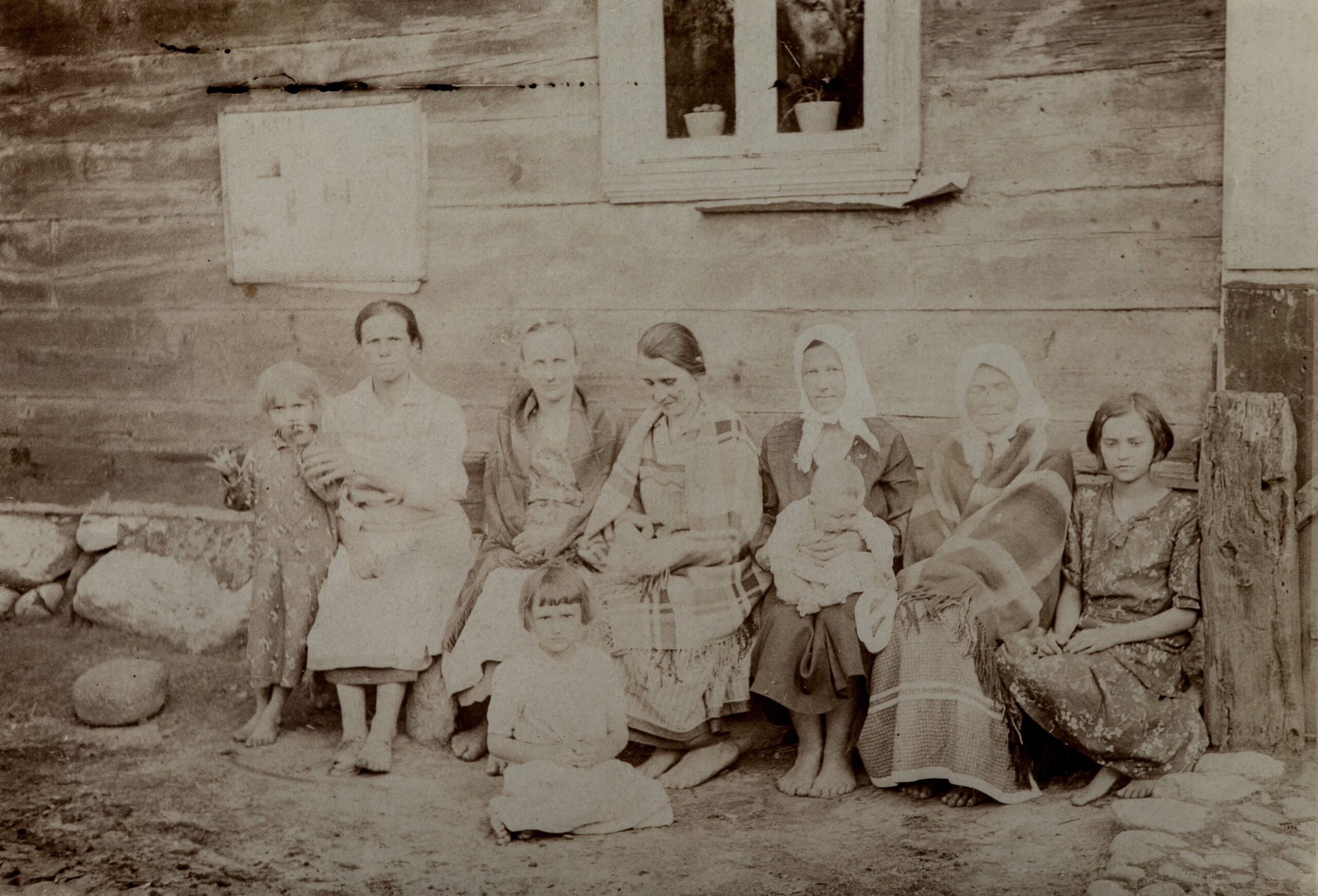
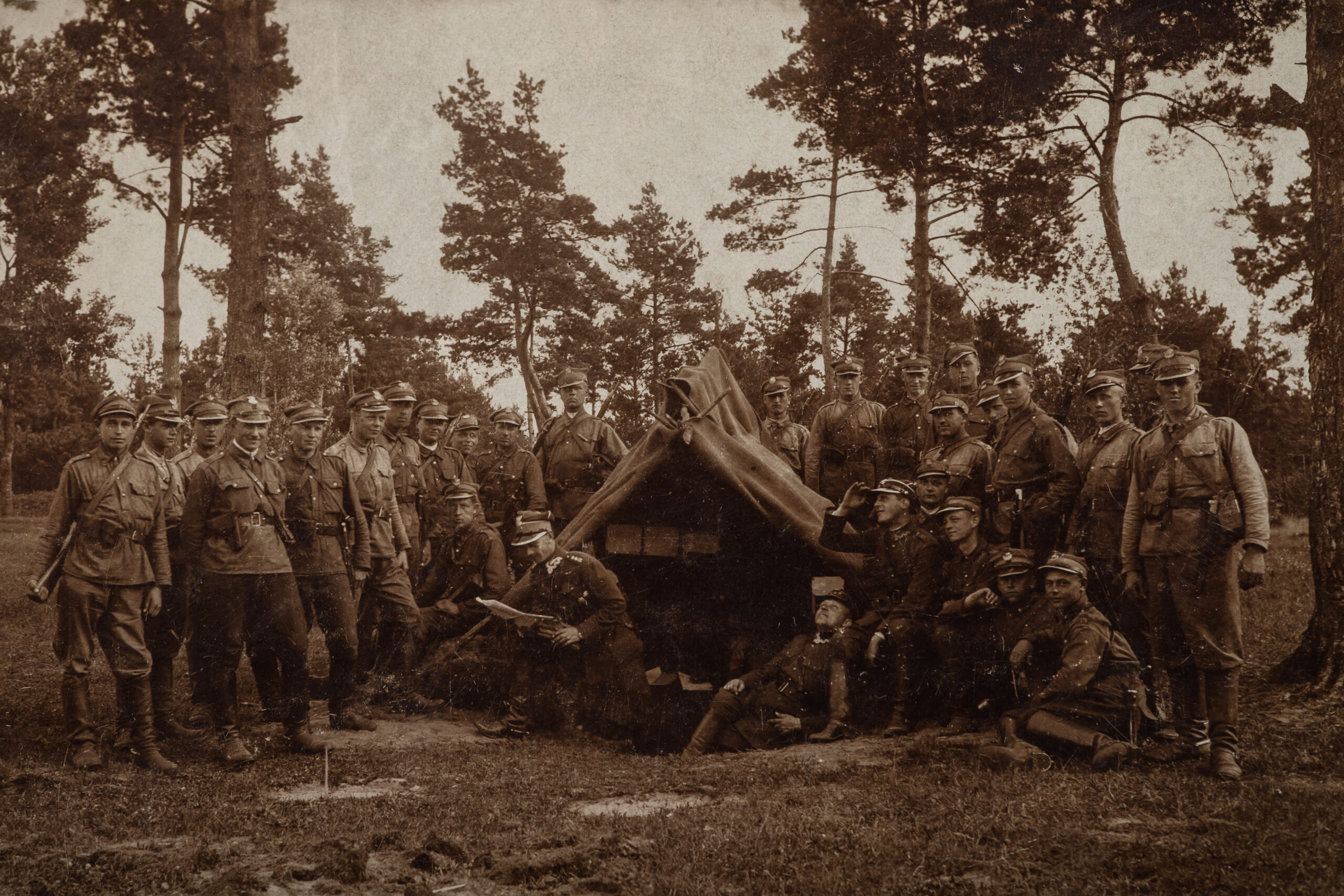
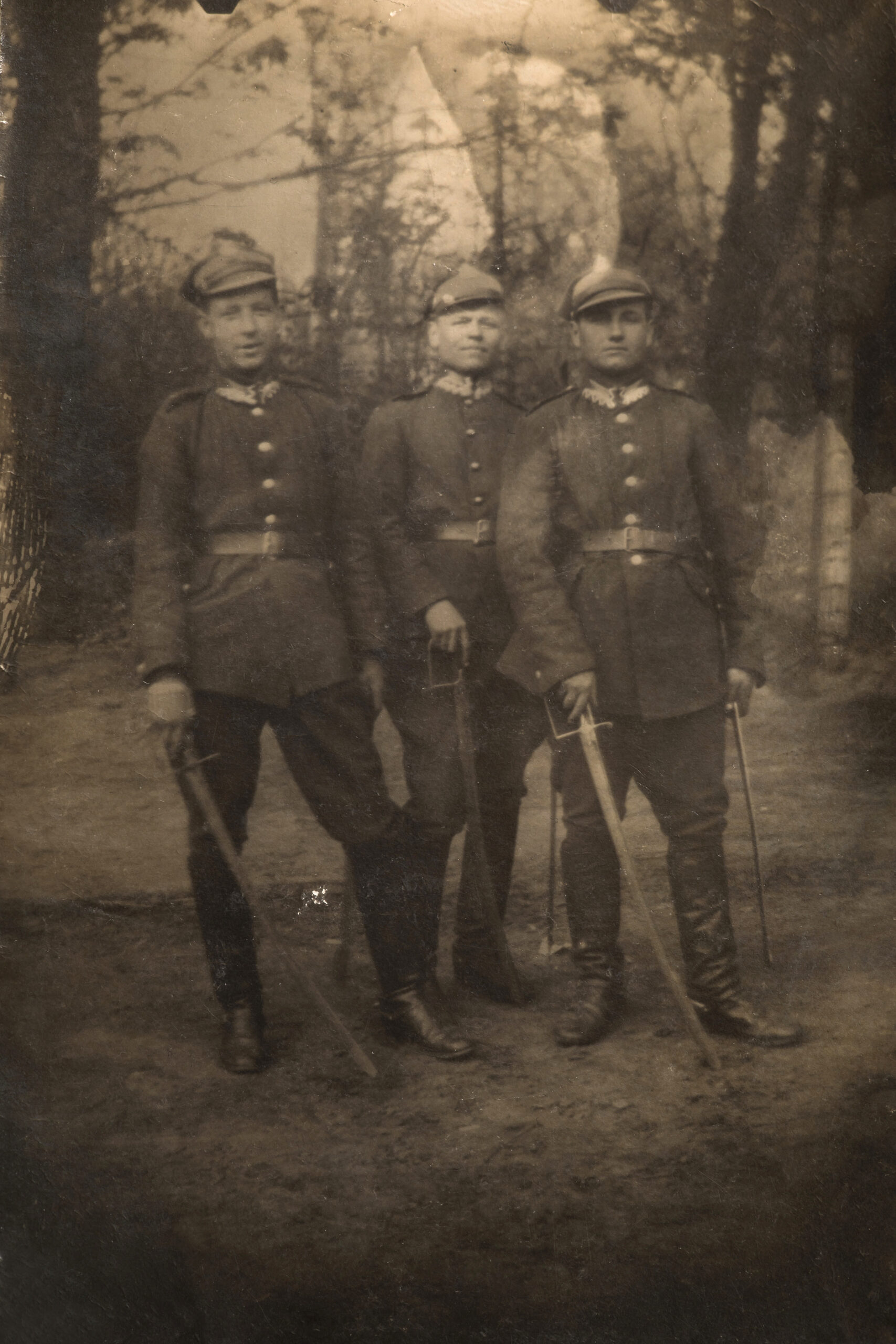
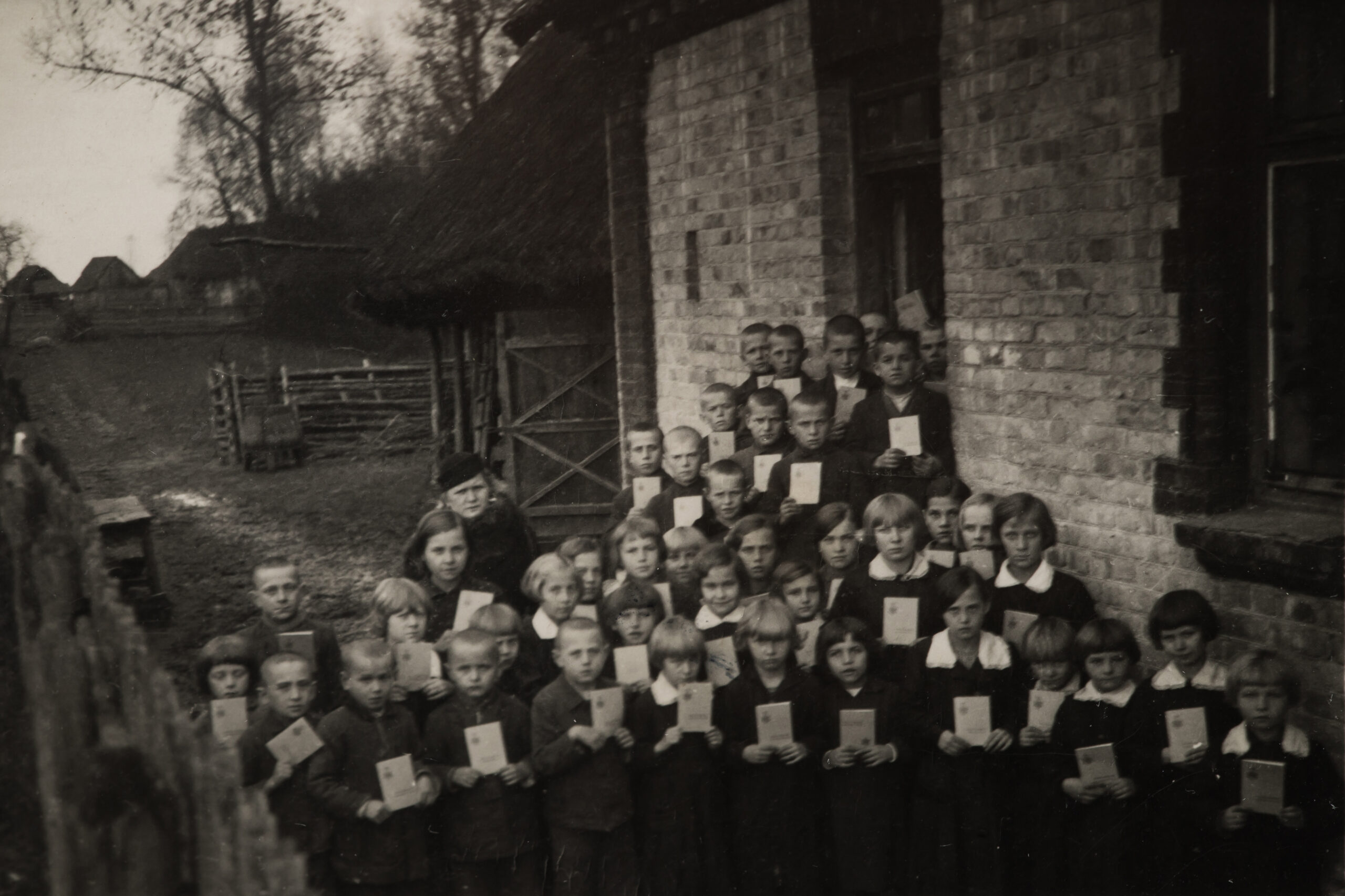
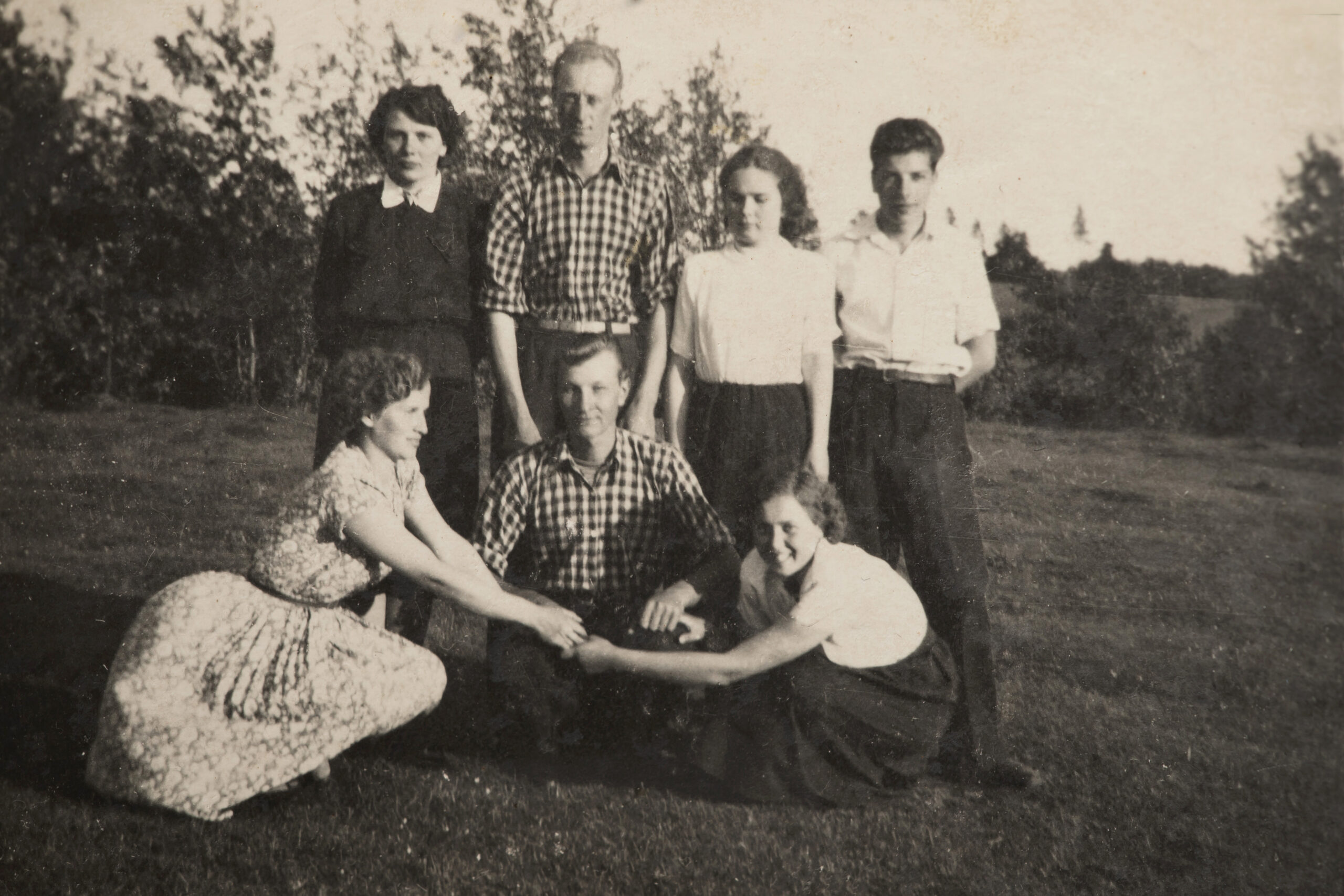
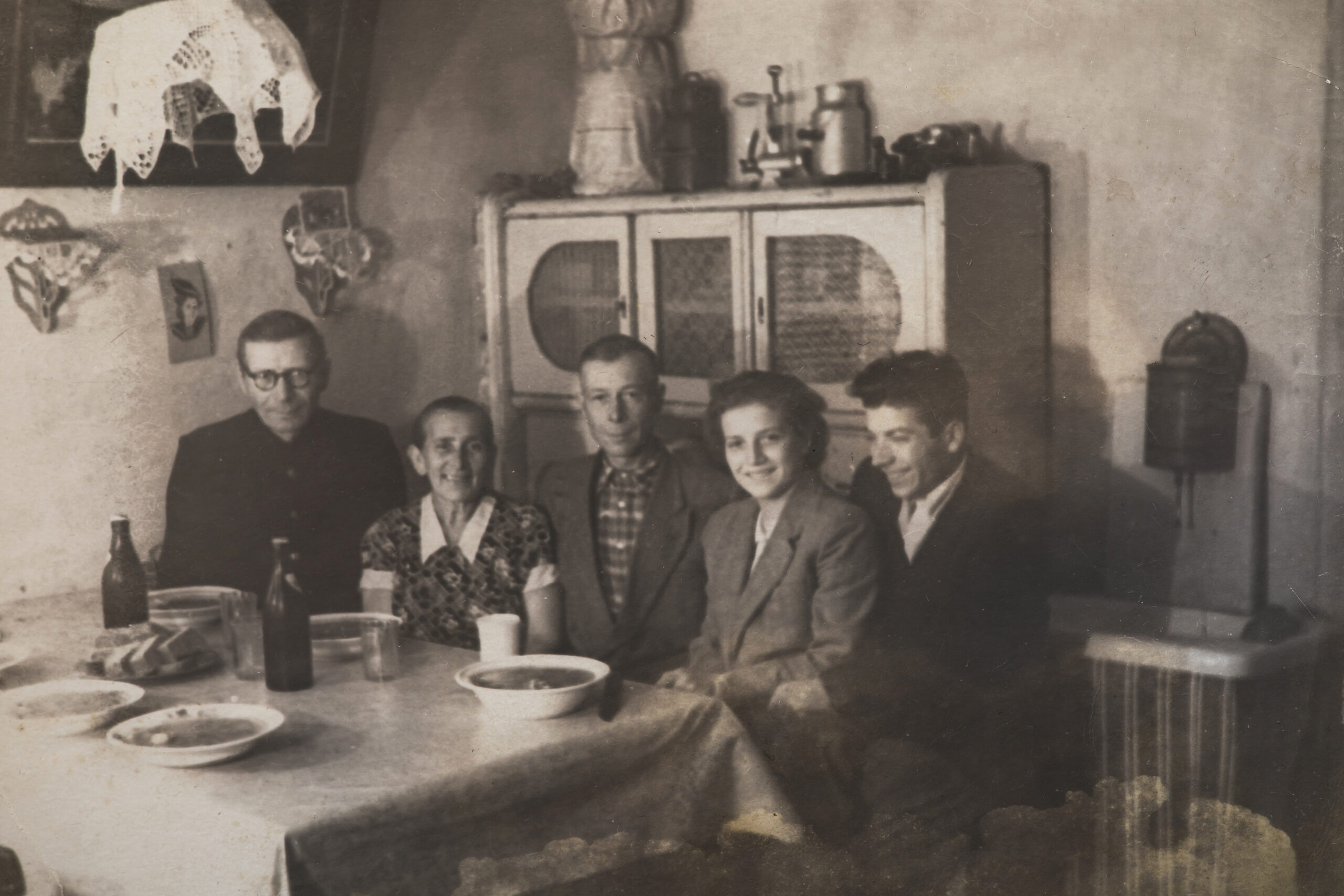
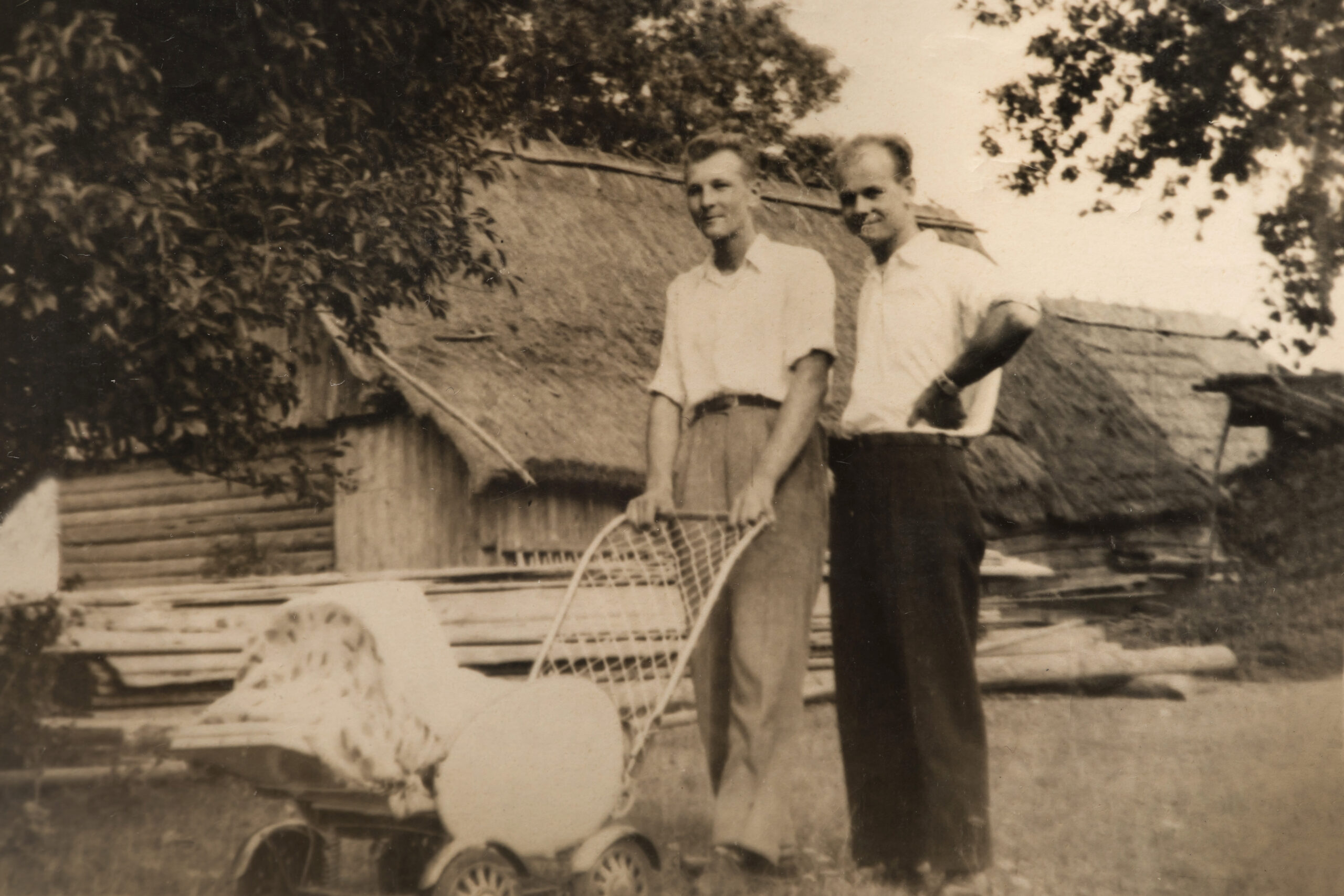
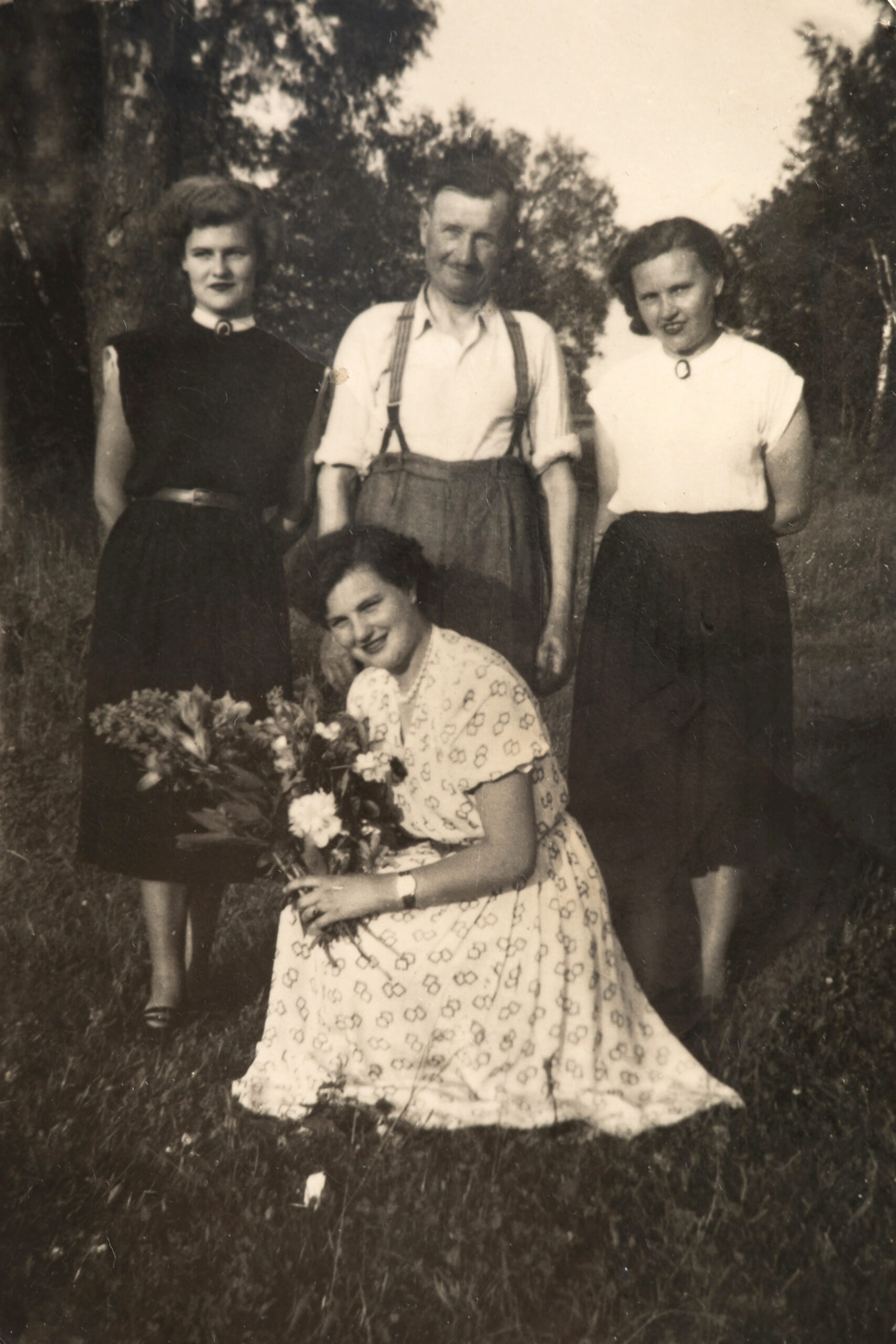
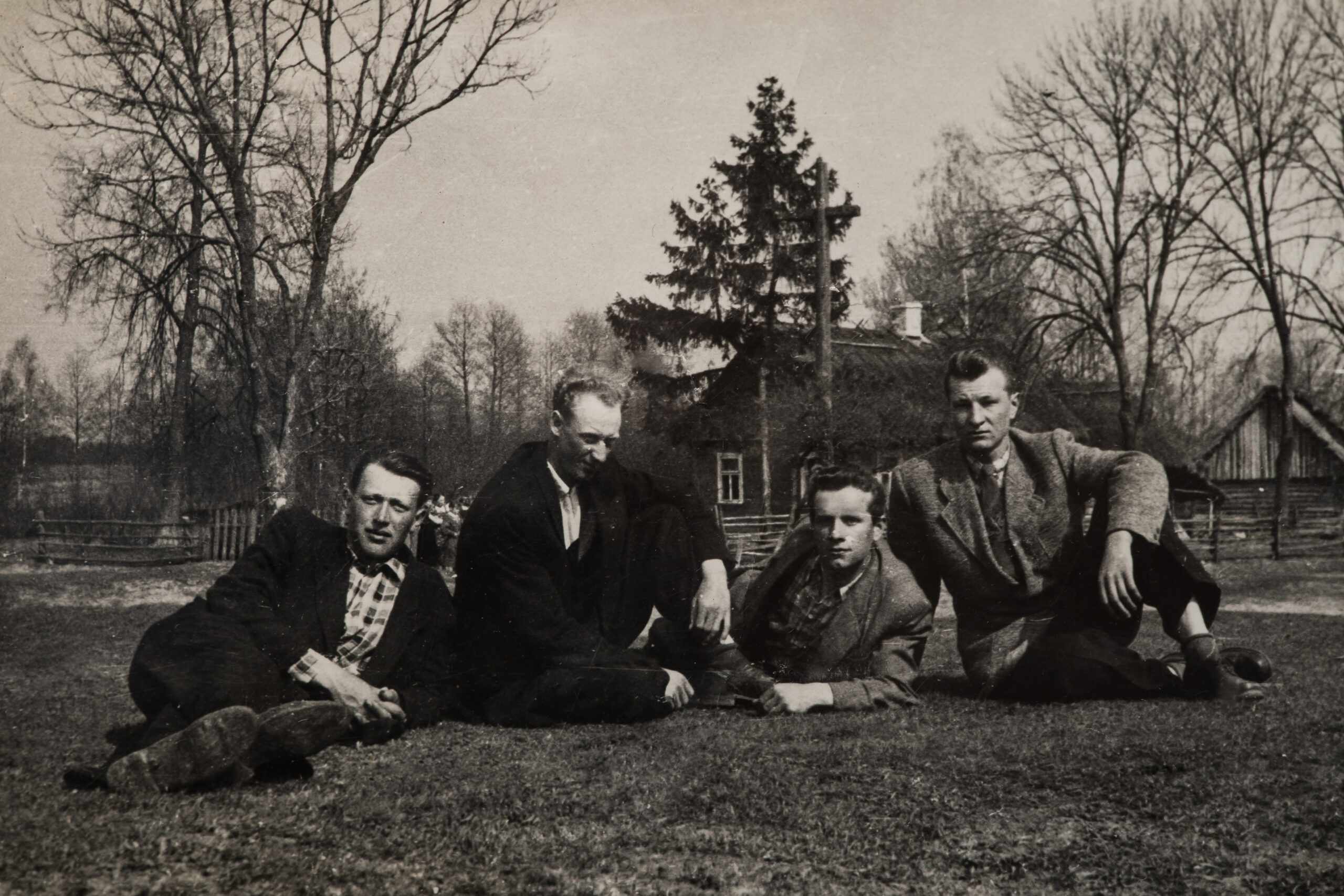
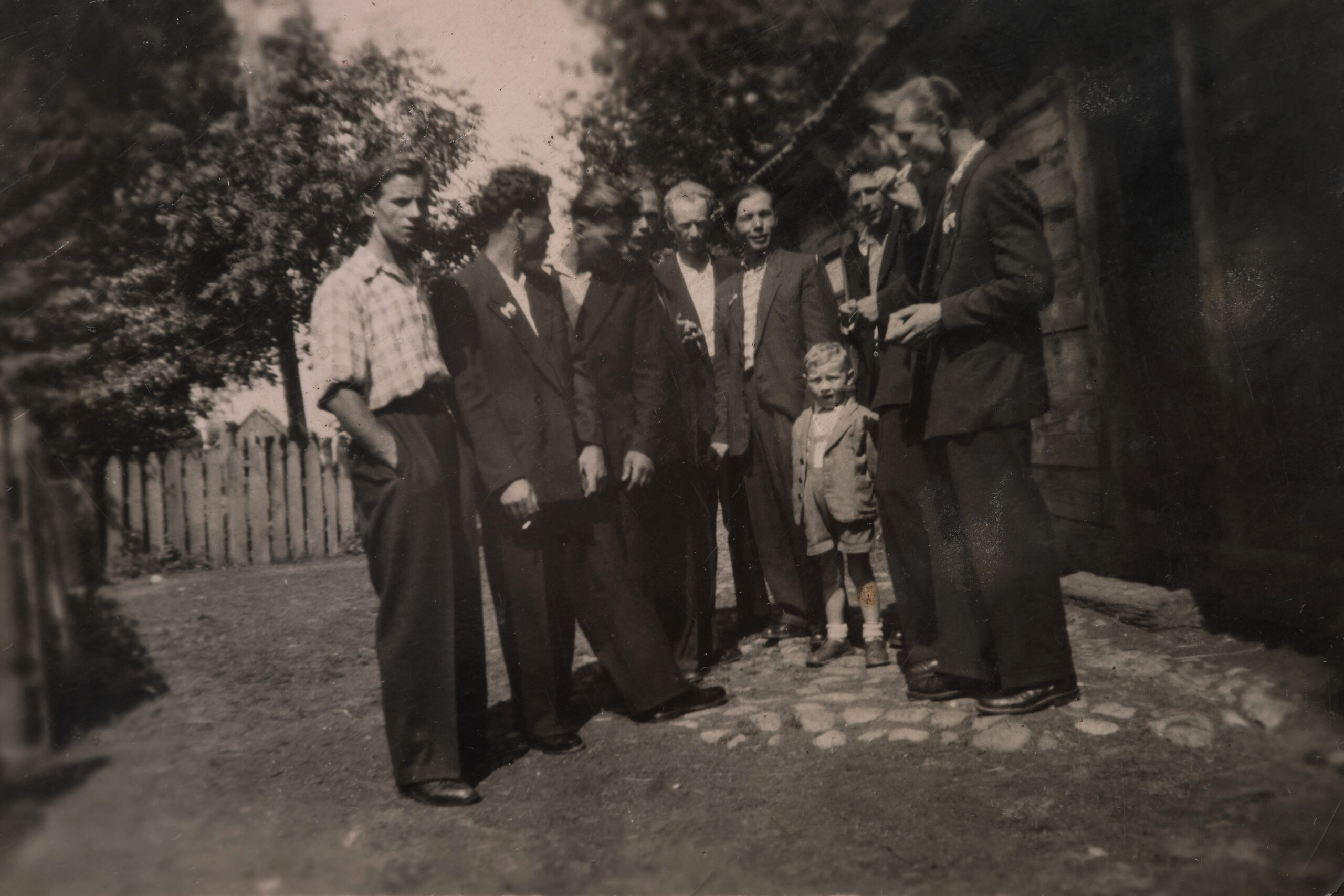
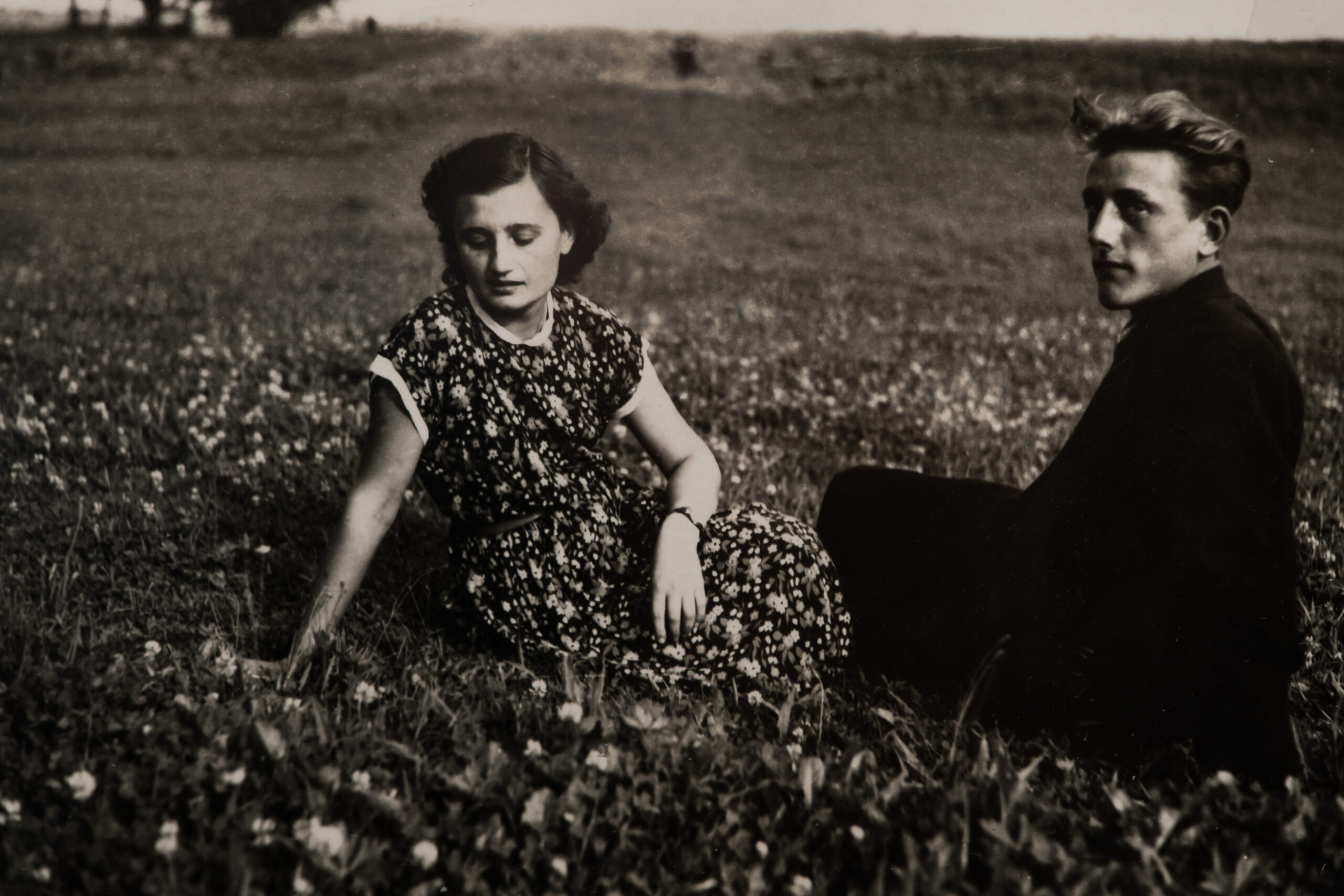
Our identity grows from deep roots – a former settlement of free boyars who, centuries ago, boldly built their lives here on the edge of the wild forest. Yet the chapter of the story dearest to our hearts, the family one, officially began in 1926. That is when the passion and strong bond with this place were born, passed down from generation to generation. Today, continuing this nearly hundred-year-old tradition, we open the doors of our homestead to you. We create a space where history meets homely warmth, and every guest becomes part of our big Podlasie family.
Today, continuing this hundred-year-old tradition, we open the doors of our homestead to you. We create a space where history meets homely warmth, and every guest becomes part of our big Podlasie family.
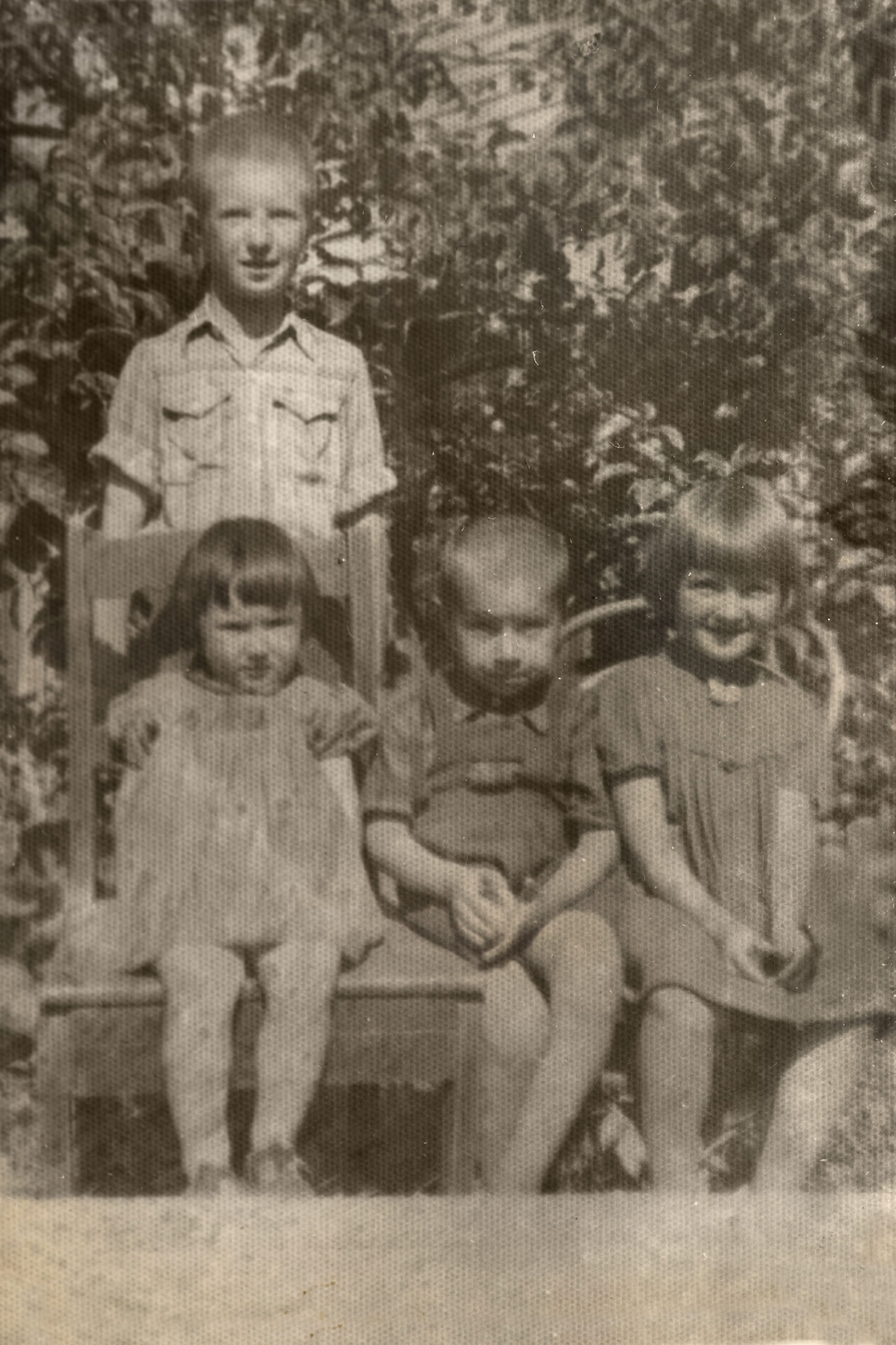
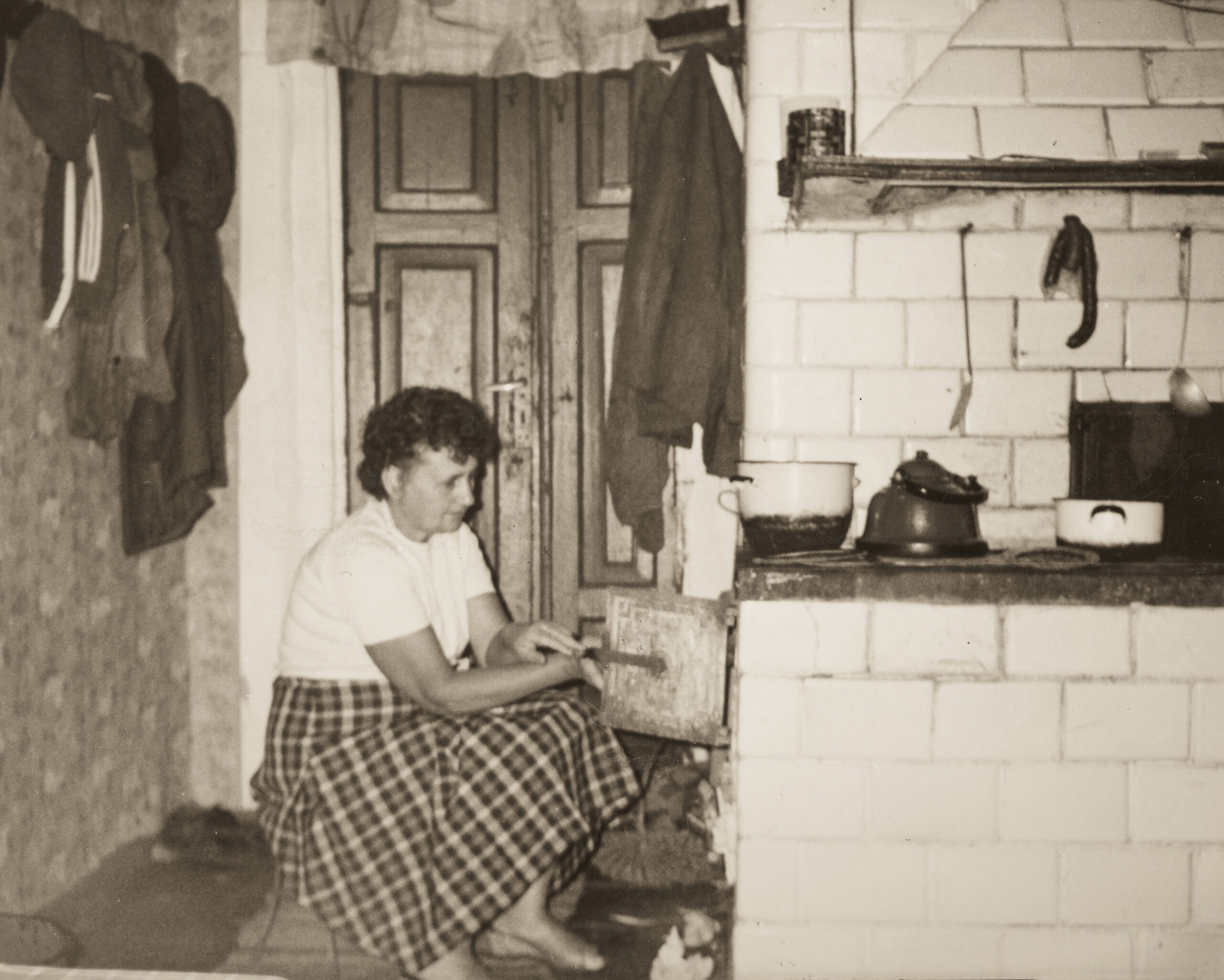
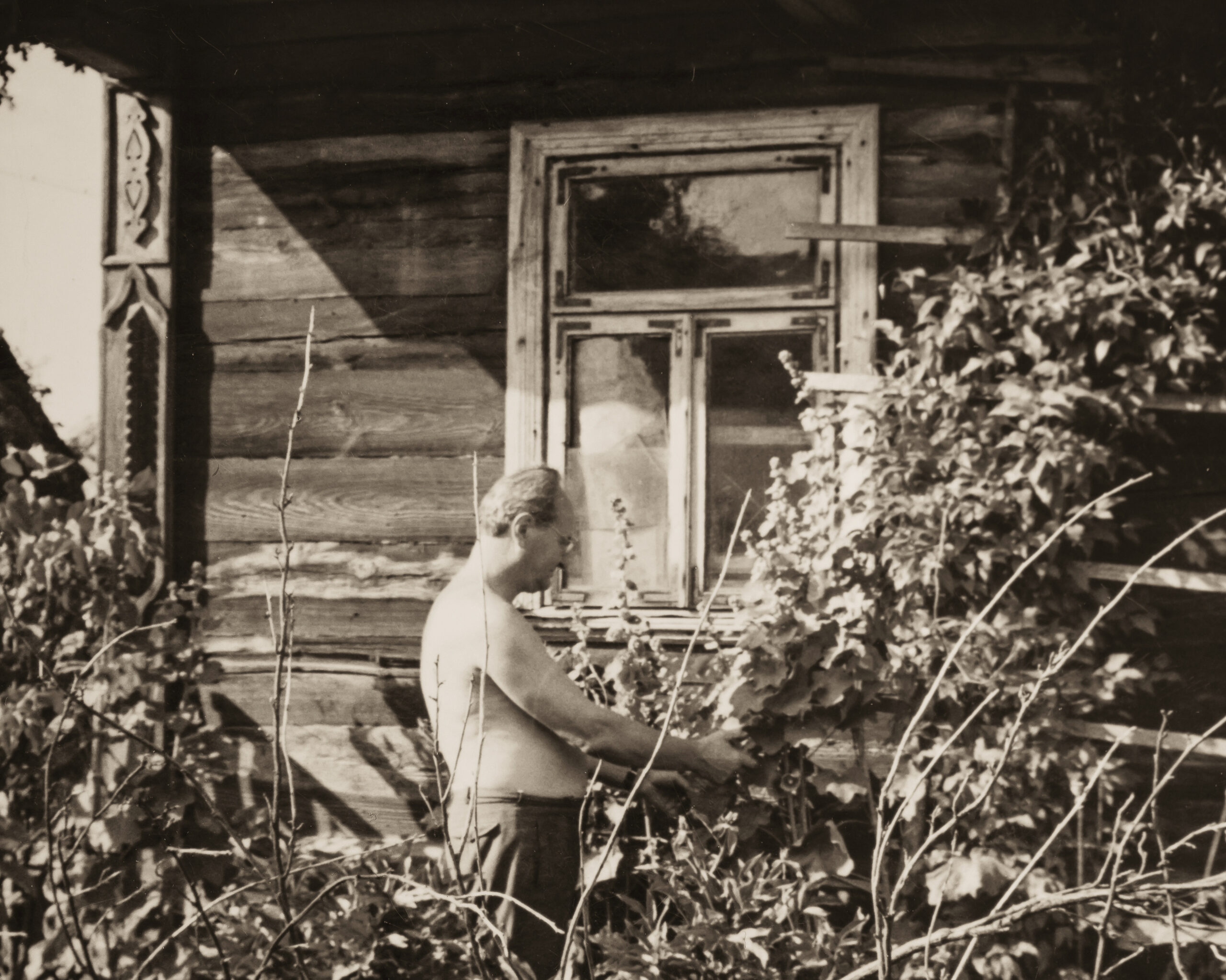
It is in the picturesque village of Żuki that Tomek’s most beautiful childhood memories are kept. This charming place became a real private paradise for him and the backdrop for most of the holidays of his childhood. All thanks to his beloved Grandparents, who took him there from when he was a small child.
Although Żuki brings to mind rural idyll, the Grandparents’ daily life ran to a completely different rhythm:
Residents of Białystok: The Grandparents were never farmers and did not work the land. Their everyday life was closely tied to Białystok – that is where they lived and worked in local factories.
Every free moment worth its weight in gold: Although work and city duties filled their weekdays, they treated every free moment, weekend or holiday as a chance to set off at once.
For the Grandparents, Żuki was a longed-for refuge. They escaped there at every possible opportunity to breathe away from the big-city bustle and the factory noise of Białystok. It was in this peaceful place, far from cares, that they gave their grandson the most beautiful, carefree years of childhood, creating for him a safe haven remembered for a lifetime.
If you are looking for a place to breathe, be close to nature and discover Podlasie — you are home.
Special offer for longer stays (3+ nights) — ask for details! |